25% off on product page · save $15.00
Picking Foods That Travel Well: A Practical Guide
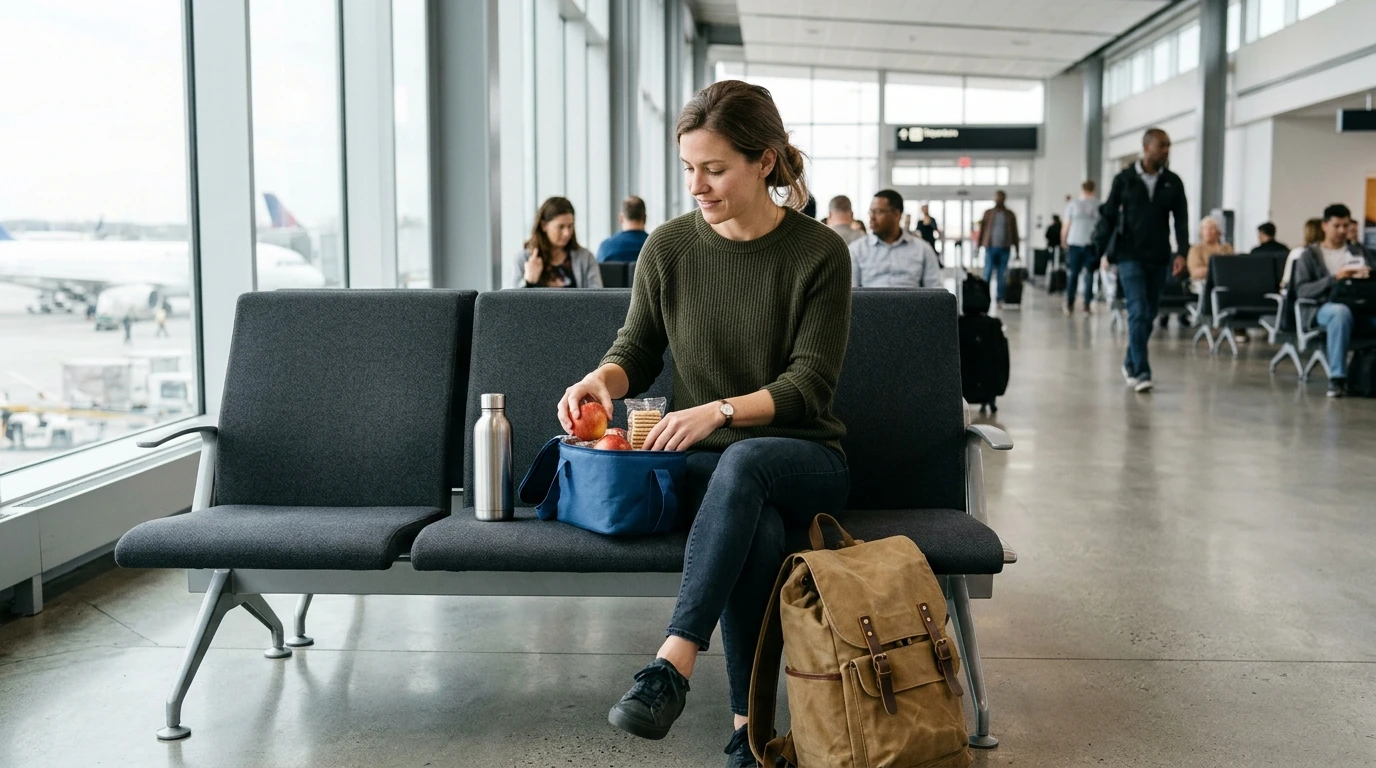
Start with the Journey
Consider how long you’ll be traveling, when you can stop, and whether you’ll have reliable refrigeration. A snack for a short drive may not work for an all-day flight connection, and a meal eaten at a picnic table can be more involved than one eaten in a car.
For stretches without dependable cooling, choose shelf-stable foods and divide them into portions that are easy to open. Think about where you’ll eat, too: a compact bag of trail mix may be convenient in an airport, while crackers and cheese can work well at a planned stop if you have a cooler.
Check the product’s listed specifications when evaluating start with the journey.

Build a Travel-Friendly Food Kit
Pair a satisfying staple with something easy to carry. Nuts and crackers make a simple combination, while a single-serving packet of seed butter can go with an apple or crackers. Choose familiar foods that suit everyone’s dietary needs, including allergies, and bring water alongside your snacks.
Our team recommends packing enough for likely delays without taking more perishable food than you can store safely. Individual portions make it easier to keep the rest sealed until you need it.
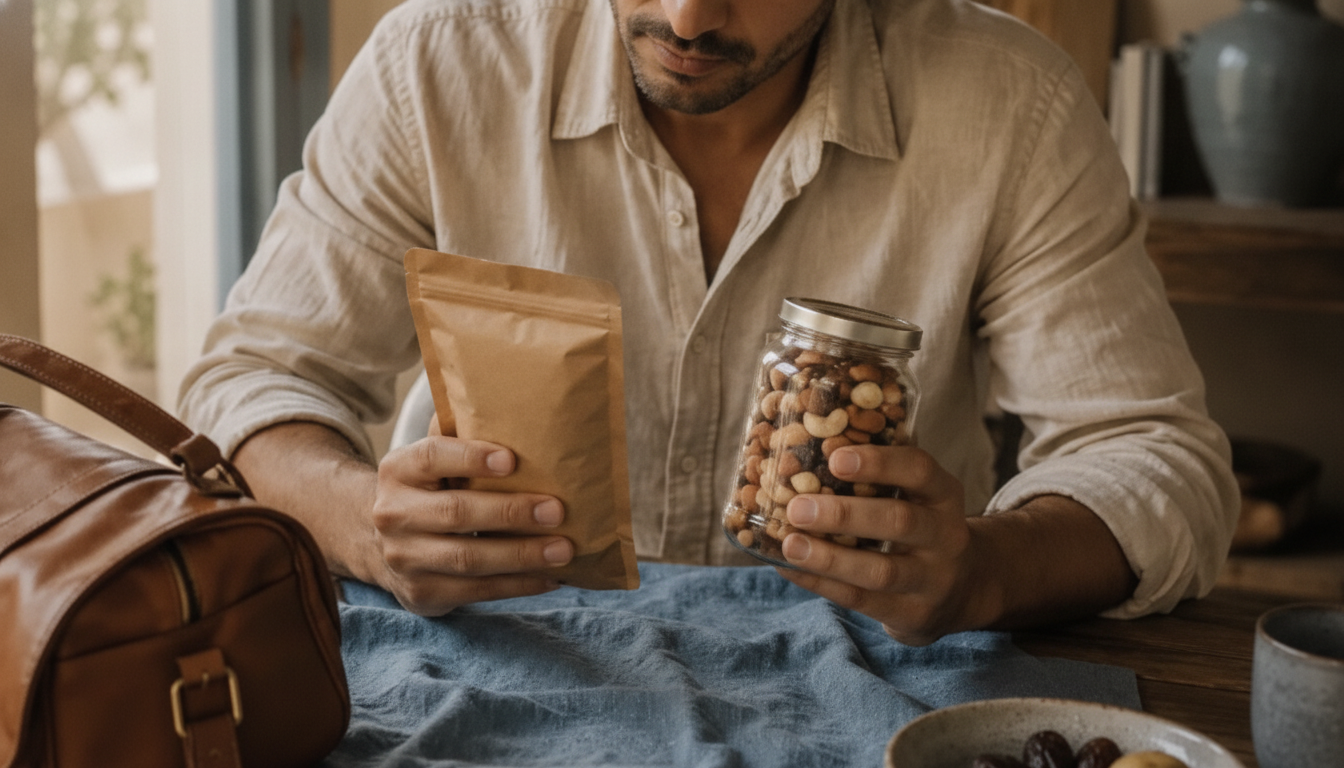
Featured in this guide
picking-foods-that-travel-well
Choose Foods for Your Packing Space
- Nuts and trail mix: Keep them sealed and dry for longer stretches between stops.
- Apples and oranges: Pack them whole and protect them from bruising.
- Crackers: Use a rigid container to limit crushing.
- Yogurt and cheese: Reserve space in a cooler that stays at or below 40°F.
If you cannot count on cooling, build your kit around shelf-stable options rather than perishable favorites.
Keep Cooler Foods Safe
Use an insulated cooler with plenty of ice or frozen gel packs. Place a thermometer inside and check that the temperature stays at or below 40°F. Keep the lid closed as much as practical, and separate raw foods from ready-to-eat items.
Plan where you can replenish ice on a longer trip. Discard perishables left above 40°F for more than two hours, or more than one hour when the air temperature is above 90°F.
Pack for Airports and Road Stops
For U.S. airport security, solid foods can generally go in your carry-on, including in resealable bags. Liquids and spreads in carry-ons are subject to the 3.4-ounce liquids rule, so a large jar of nut butter is a different packing decision from a bag of nuts. Put qualifying liquids and spreads in your quart-size liquids bag.
TSA officers make the final screening decision. If you’re traveling internationally, check your destination’s rules before packing fruit or other agricultural foods; an item allowed through security may still be restricted at your destination.
For a road trip, keep accessible portions near your seat and pack napkins and a small trash bag. Plan a stop for foods that need a plate or more cleanup. If you’re also organizing your route, browse The Road Trip Routes Handbook as a related planning option.
Leave Difficult Foods Behind
Skip highly perishable foods when you cannot keep them cold. Also consider whether strongly scented, sticky, or easily crushed snacks will work in your surroundings. Choose portions that suit your available space and cleanup options.
Before choosing, compare the product details with your daily routine, available space, care needs, and preferred setup. The strongest option is usually the one that fits the intended use clearly and remains simple to clean, store, and check before repeat use.
FAQ
What food is best for traveling long distances?
Nuts, crackers, and whole fruit are convenient shelf-stable choices when refrigeration is uncertain. Add chilled foods only if you can keep them at or below 40°F.
Can I bring food in a Ziploc bag through TSA?
Solid food can generally go through TSA screening in a resealable bag. Liquids and spreads in carry-ons must follow the 3.4-ounce liquids rule, and the TSA officer makes the final decision.
What are the best foods to pack in a cooler for a road trip?
Yogurt, cheese, and other perishable favorites can work well in a cooler. Use sufficient ice or frozen gel packs and a thermometer to keep them at or below 40°F.
What foods should I avoid while traveling?
Avoid highly perishable foods if you cannot keep them cold. You may also want to skip messy, strongly scented, or easily crushed foods when space and cleanup options are limited.
See if picking-foods-that-travel-well fits your setup