35% off on product page · save $3.23
Outdoor Trip Safety Checklist for Hikes and Camping
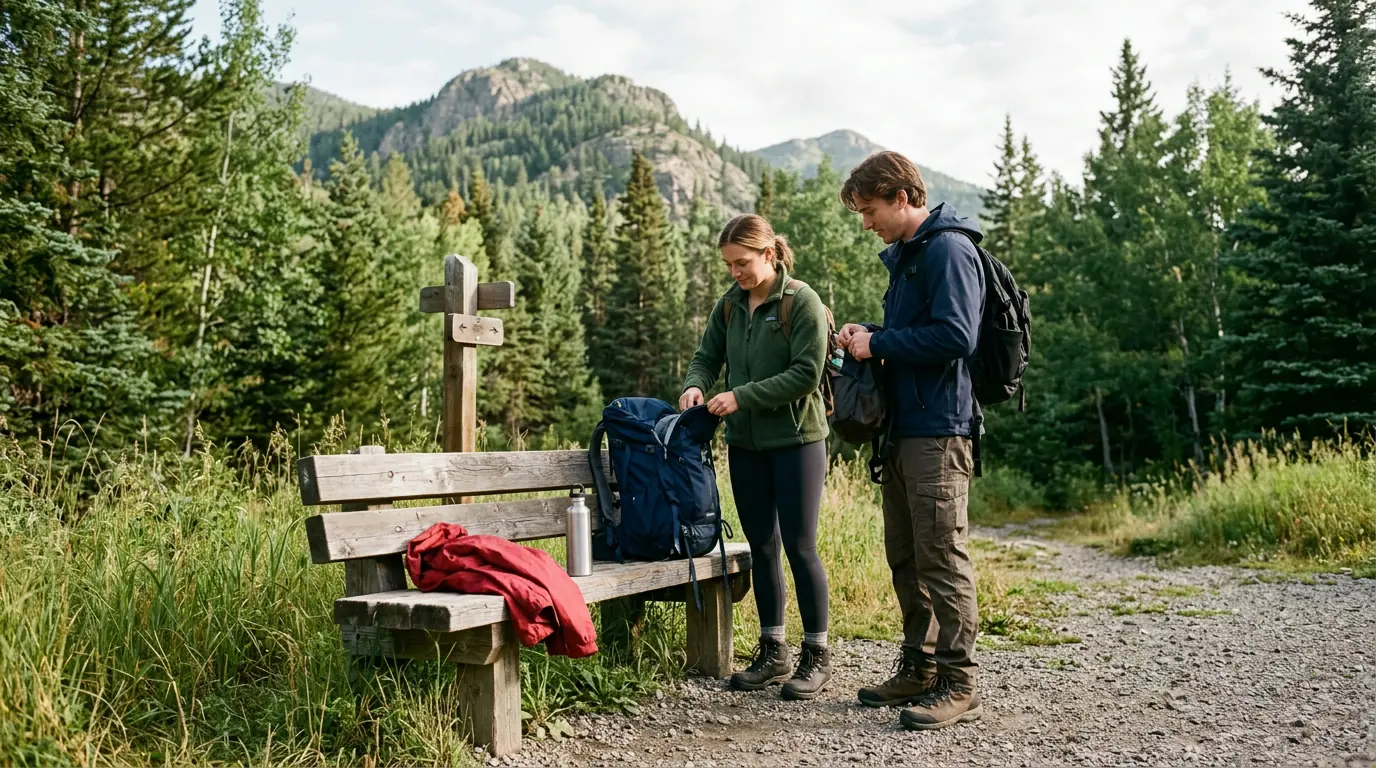
Start With the Trip, Not the Packing List
Begin with the destination, route, and expected duration. Consider the distance and elevation, the experience of everyone in your group, and the weather you’re likely to encounter. A familiar local walk and a remote overnight trip call for different levels of preparation.
Next, check the managing park or land agency’s current alerts. Look for closures, permit requirements, fire restrictions, and rules about camping, food storage, and pets. Share your route, group details, and expected return time with someone at home. Include any alternate route you might take and when that person should seek help if you don’t check in.
Use it to organize the decisions you need to make before departure, then adapt your preparations to the trip rather than treating every outing the same way.
Match Your Supplies to the Conditions
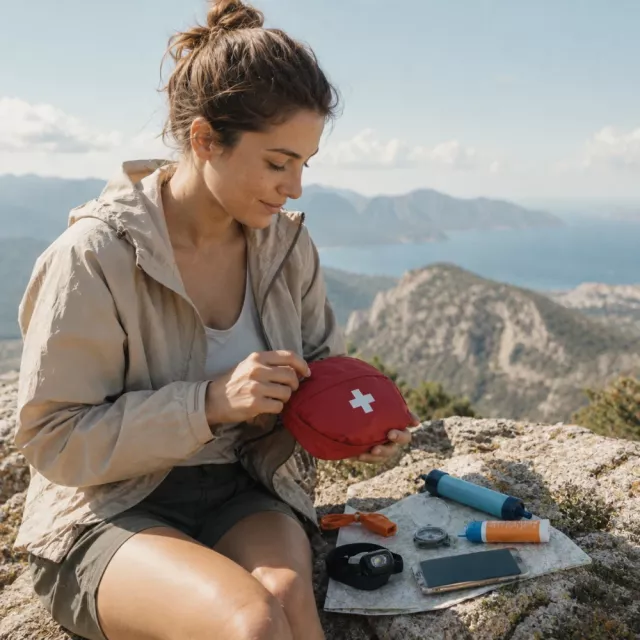
Bring a map and a reliable navigation method you know how to use. A downloaded route can help, but don’t depend on a phone signal. Consider backup power and, in remote areas, a communication device suited to places without cell coverage.
Carry enough food and water for the outing, with a margin for delays. If you plan to collect water, identify possible sources and bring a suitable treatment method; natural water isn’t automatically safe to drink.
Pack layers and shelter suited to the forecast, a light with spare power, and a first-aid kit appropriate for your group and destination. Know how to contact local emergency services.
Featured in this guide
outdoor-trip-safety-checklist
Make a Group Safety Plan
Agree on a comfortable pace, meeting points, and a turnaround time. Decide what to do if someone becomes separated, including where to wait and how to communicate. Make sure everyone knows the plan.
Talk through likely hazards, such as heat, cold, water crossings, wildlife, steep slopes, or difficult footing. Choose a route suited to the least experienced participant, and be ready to shorten it if someone is tired or conditions change. Don’t push through a hazardous crossing to stay on schedule.
Review Your Plan Before Departure
Check the forecast, alerts, and restrictions again close to departure. Adjust your route, add supplies, or postpone if conditions are unsafe. Confirm that your contact has your current itinerary and knows when to raise the alarm. Let them know when you’re safely back.
If your adventure includes a long drive, you can also explore our in-stock Road Trip Routes Handbook alongside your outdoor planning. Use your route plan to allow time for travel, stops, and changing conditions before you arrive.
Before choosing, compare the product details with your daily routine, available space, care needs, and preferred setup. The strongest option is usually the one that fits the intended use clearly and remains simple to clean, store, and check before repeat use.
It is also worth checking measurements, material notes, included parts, and compatibility details so the item matches the way it will be used after delivery.
FAQ
What is the 200 rule for camping?
A distance of 200 feet from water is a common minimum for activities such as washing or disposing of human waste. Camping and waste-disposal rules vary by location, so check local regulations.
What are the 7 basic safety rules?
For an outdoor trip, seven useful rules are to check conditions, share your itinerary, stay with your group, carry navigation tools, bring adequate water and food, prepare for weather, and know how to get emergency help. Adapt these basics to your destination and activities.
What are some common safety rules for outdoor play?
Provide appropriate supervision, check the area for hazards, and set clear boundaries before play begins. Keep water available and dress for the weather.
See if outdoor-trip-safety-checklist fits your setup