15% off on product page · save $14.47
The Outdoor Skills Handbook: Prepare for Your Next Trip
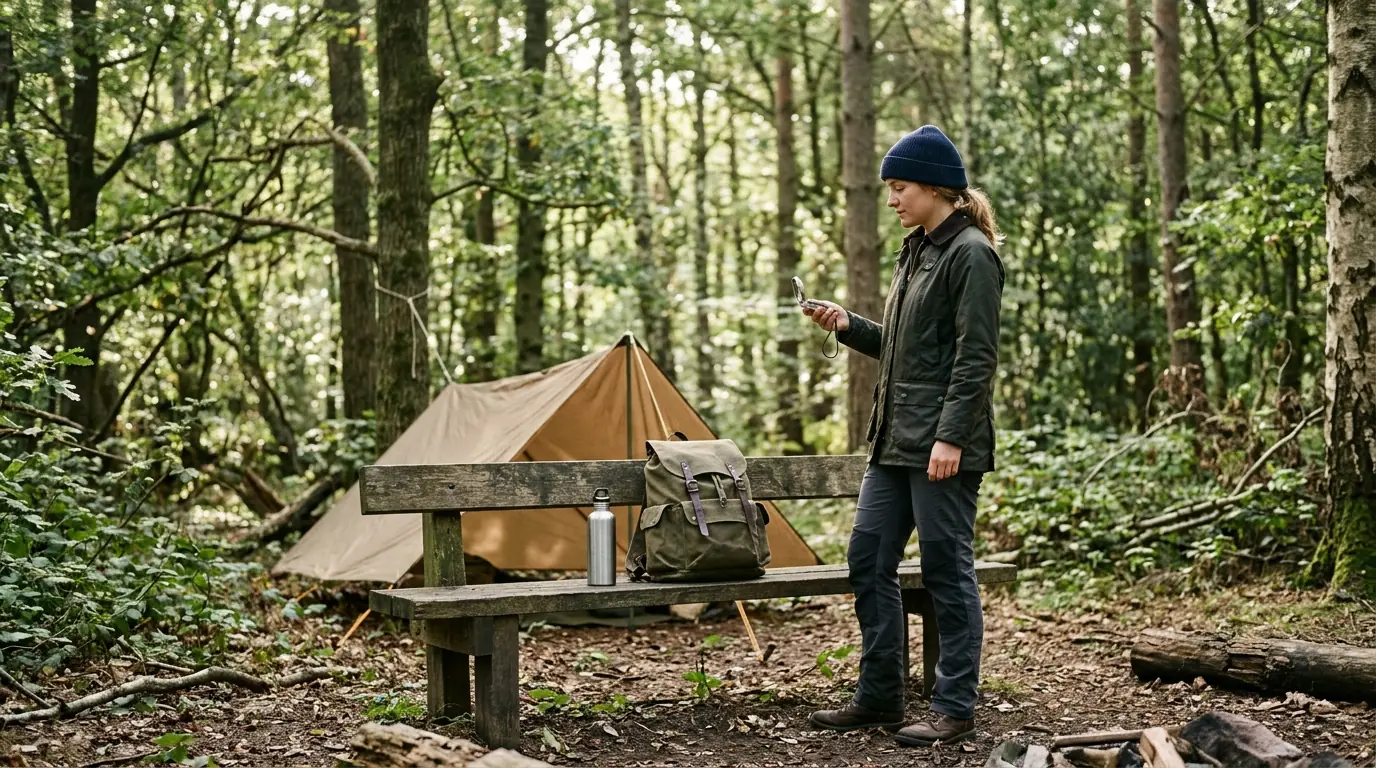
Make Preparation Part of the Trip
A familiar route can feel different when clouds roll in, daylight fades, or a trail junction is hard to spot. Preparing for those possibilities gives you more options when plans change.
We see the outdoor skills handbook as a starting point for thoughtful preparation. Pair reading with local information and practical instruction, then choose the skills that matter most for your destination.
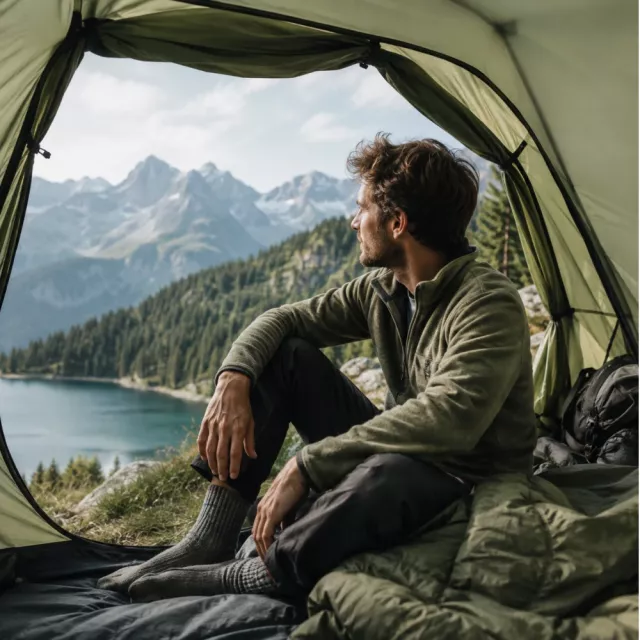
Skills Worth Practicing
Navigation, weather awareness, shelter, water safety, first aid, and signaling are useful places to start. The right priorities depend on your terrain, season, and trip length.
Practice in a safe setting before you leave: use a map and compass on a familiar route, pitch your shelter at home, and learn how your water treatment method works.
Featured in this guide
the-outdoor-skills-handbook
Plan for Navigation, Water, and Help
- Navigation: Bring a map that covers your route and learn to orient it with a compass. A downloaded map can help, but protect your phone’s battery and have a backup that does not depend on reception.
- Water: Carry enough for the conditions and exertion you expect. If you may need more, choose a treatment method appropriate for the source and follow its instructions. Clear-looking water is not necessarily safe to drink.
- First aid and signaling: Pack a suitable first-aid kit and know how to use it. Carry a whistle, share your route and return time, and agree on what your contact should do if you do not check in.
Match Your Preparation to Your Plans
For a short day hike on a well-traveled trail, start with a route plan, water, weather-appropriate clothing, and a small first-aid kit. Check the forecast and plan to return before dark.
For a longer or more remote trip, consider extra food and water treatment capacity, suitable shelter, backup navigation, and a communication device appropriate to the area. Build in extra time, identify turnaround points, and know how you would contact help without cell service.
Check local regulations, trail conditions, closures, and emergency contact information close to departure. Be willing to adjust your route if conditions change.
If driving is part of the adventure, the road trip routes handbook is a complementary planning option. Consider fuel stops, parking, and driving time alongside your outdoor plans.
Turn Reading Into Practical Habits
Choose one skill to practice at a time. You might begin by following a familiar loop with a paper map, then practice setting up a shelter in your yard or checking the forecast against conditions you observe. Revisit those skills before each trip, especially when you are using new equipment.
For first aid and other safety-critical skills, seek hands-on instruction rather than relying on reading alone. The American Red Cross offers first-aid training that can help you prepare to respond to common emergencies. For remote travel, look for instruction suited to situations where professional help may be delayed.
Our team encourages you to prepare at a pace that fits your experience and your plans. Explore the outdoor skills handbook, practice what matters for your destination, and head into your next adventure ready to make informed choices.
Before choosing, compare the product details with your daily routine, available space, care needs, and preferred setup. The strongest option is usually the one that fits the intended use clearly and remains simple to clean, store, and check before repeat use.
It is also worth checking measurements, material notes, included parts, and compatibility details so the item matches the way it will be used after delivery.
Before choosing, compare the product details with your daily routine, available space, care needs, and preferred setup. The strongest option is usually the one that fits the intended use clearly and remains simple to clean, store, and check before repeat use.
FAQ
What are some important outdoor skills to learn?
Navigation, weather awareness, shelter, water safety, first aid, and signaling are useful outdoor skills. Practice the skills and equipment appropriate to your trip before you leave.
What are 5 basic survival skills?
Five basics are finding or making shelter, obtaining safe water, navigating, signaling for help, and providing basic first aid. Which comes first depends on the situation and conditions.
See if the-outdoor-skills-handbook fits your setup