35% off on product page · save $207.30
Pet-Friendly Travel Toolkit: Plan a Better Trip
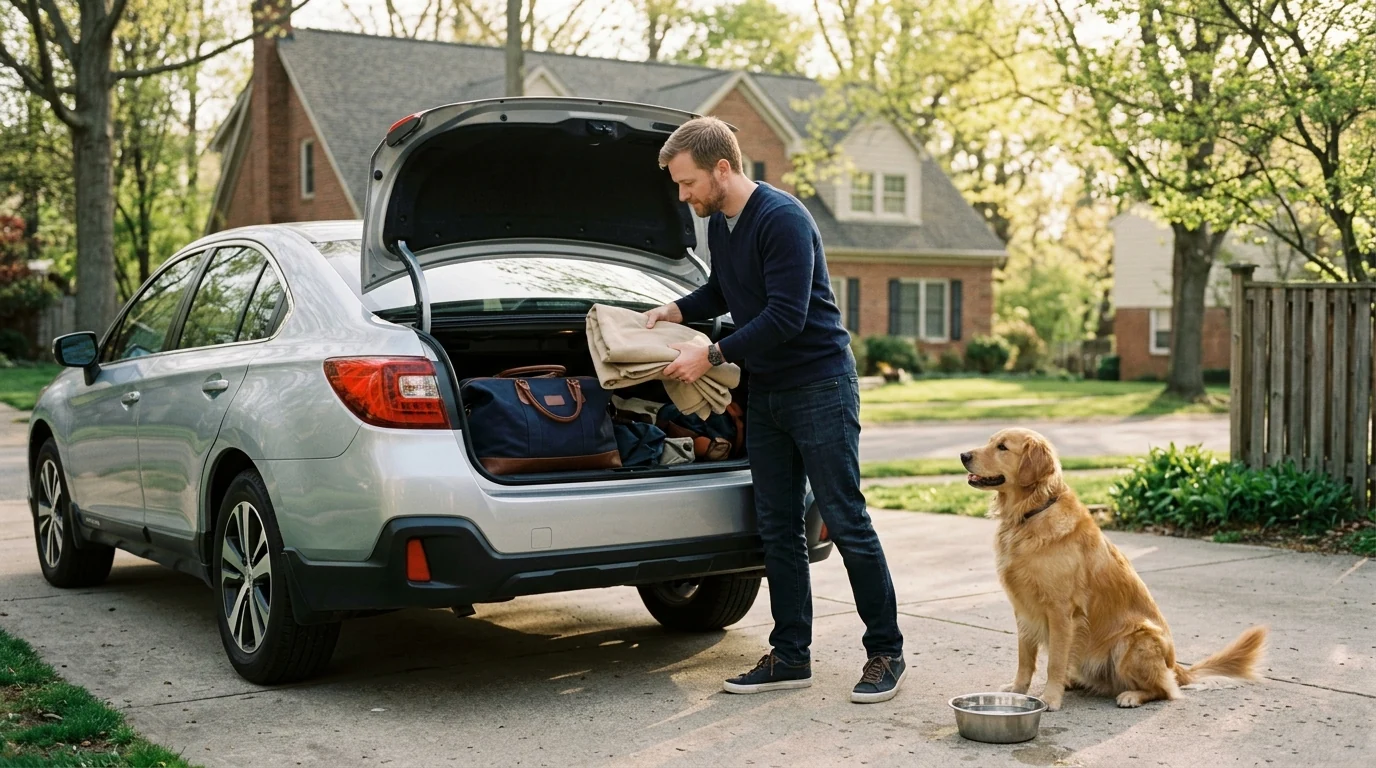
Start With a Pet-Friendly Trip Plan
Choose a destination with accommodations and activities that welcome your pet, then look up veterinary services in the area. A beach town, mountain retreat, or city stay may all work, depending on your companion’s needs and the rules at individual locations.
Consider your pet’s temperament, health, and tolerance for travel when deciding how far to go and how long to stay. A pet who becomes anxious in busy places may be more comfortable on a quieter trip. If your companion has a medical condition, ask your veterinarian whether your plans are appropriate.
Before booking, contact your accommodation directly to confirm its pet policy. Ask about fees, size or breed restrictions, the number of pets allowed, and whether pets may be left alone in the room. Get clear answers before committing to a reservation.
Check the product’s listed specifications when evaluating start with a pet-friendly trip plan.

Is the Toolkit Right for Your Trip?
Our 10-in-1 bundle is a travel-planning option for pet owners. Before buying, consider whether its contents and format suit how you like to organize a trip. It cannot guarantee a stress-free journey, but preparation can leave you better placed to respond when plans change.
Featured in this guide
the-pet-friendly-travel-toolkit-for-stress-free-trips-10-in-1-bundle-for-pet-travelers
Pack for the Journey
Bring identification, medication, food, water, cleanup supplies, and familiar comfort items. Update your contact information on tags and in any microchip registration. Keep essentials and documents accessible during stops or delays.
Arrange a veterinary check when appropriate, especially for a pet with health concerns or a long journey. Confirm destination health and vaccination requirements well ahead of departure; some trips require documents or advance preparations.
Plan a Safer Road Trip
Schedule water, movement, and bathroom breaks around your pet’s age, health, and usual routine. Use a properly secured carrier or restraint appropriate for your pet and vehicle. Never leave your pet unattended in a vehicle; temperatures can become dangerous quickly.
Short practice trips can help you see how an unfamiliar traveler responds to the car. Ask your veterinarian about motion sickness or anxiety. Our Road Trip Routes Handbook is a companion to consider when mapping your route and planning stops.
Confirm Airline Rules Before Flying
Rules vary by airline, route, aircraft, pet size, and destination. Before booking, ask about approved carrier dimensions, documentation, fees, and pet space on every flight. Confirm connection rules if more than one airline is involved.
A 50-pound dog generally will not meet standard under-seat cabin requirements. Rules for trained service animals differ from standard pet policies.
Settle In at Your Destination
Offer water and create a quiet space for your pet to adjust. Keep feeding and rest routines as consistent as practical, and check doors and gates before letting your pet explore.
If you notice persistent panting, unusual lethargy, a change in appetite, or another concerning sign, contact a veterinarian.
Before choosing, compare the product details with your daily routine, available space, care needs, and preferred setup. The strongest option is usually the one that fits the intended use clearly and remains simple to clean, store, and check before repeat use.
It is also worth checking measurements, material notes, included parts, and compatibility details so the item matches the way it will be used after delivery.
FAQ
Where is the best place to travel with a dog?
There is no single best destination. Choose a place that suits your dog’s needs and has confirmed pet-friendly lodging, activities, and veterinary access.
What is the 3-3-3 rule for pets?
The 3-3-3 rule is a general guideline suggesting that an adopted pet may need about three days to decompress, three weeks to learn a routine, and three months to feel at home. It is not a guarantee; each pet adjusts at their own pace.
What airline will allow pets to fly?
Many airlines accept pets under specific conditions, but policies vary by route and aircraft. Check directly with the airline before booking.
Can my 50 pound dog fly in cabin with me?
Usually not as a standard pet, because cabin pets generally must fit in an approved carrier under the seat. Check the airline’s current policy; trained service animals may be subject to different rules.
See if the-pet-friendly-travel-toolkit-for-stress-free-trips-10-in-1-bundle-for-pet-travelers fits your setup