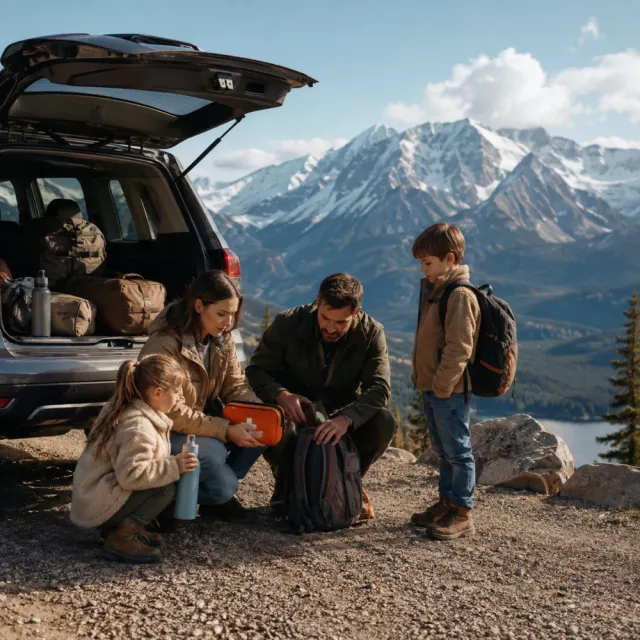
A more prepared family trip starts with practical decisions: where you will go, how you will stay in touch, and what you will do if plans change. Our Family Travel Safety Handbook is one resource to consider as you get ready. Pair it with current destination guidance and a plan tailored to the people traveling with you.
Start with the right preparation
Before booking, review the U.S. Department of State travel advisories for your destination and the CDC Travelers’ Health guidance for health recommendations. Look beyond the country name: conditions can differ by region, and your planned activities may introduce different considerations. Check these sources again shortly before departure, since guidance can change.
Make a concise record of emergency contacts, medical needs, medications, allergies, and insurance information. Include the details you would need to reach your insurer from your destination. Make copies of passports or other essential documents, and keep them accessible to a trusted adult without leaving sensitive information exposed.
If anyone needs prescription medication, allow time to discuss travel requirements with a health professional. Consider the length of your trip, the possibility of delays, and any rules that apply to bringing medication into your destination.
Make a family safety plan
A useful plan is simple enough to remember and flexible enough to change. Agree on how adults will contact one another, where you will meet if you become separated, and who will help children if they cannot find you. Choose a recognizable meeting point each time you arrive somewhere new, such as a hotel lobby or a clearly marked information desk.
Adapt instructions to each child’s age. A younger child might practice staying in one place and asking a uniformed employee for help, while an older child may be able to call a designated contact. Help children learn a parent or caregiver’s phone number, or give them a secure way to carry it. Practice the plan calmly before you leave and review it without making the trip feel frightening.
Our team recommends considering each traveler’s needs, including mobility, communication, dietary, and medical needs. A crowded station, a beach, and a daylong drive call for different meeting points and precautions.
Family trip safety planning checklist
| Planning area | Action before departure | Action during the trip |
|---|---|---|
| Destination | Check current advisories and health guidance | Monitor local updates |
| Documents | Make accessible copies of essential information | Keep originals and copies secure |
| Communication | Share contacts and agree on meeting points | Review the plan when arriving somewhere new |
| Health | Check medication and insurance needs | Know how to reach local medical help |
Consider the Family Travel Safety Handbook
When you want a travel safety resource to consider alongside your own planning, take a look at The Family Travel Safety Handbook. It is listed in our store for $101.99 and is currently in stock. Price and availability may change.
Use the time before departure to make decisions specific to your itinerary rather than relying on a single plan for every situation. For example, note how you would contact your accommodations after a delayed arrival, and find out how to reach emergency services at your destination.
Keep safety in mind on the move
Confirm transportation arrangements before each major leg of the trip. Check departure points and times, allow room for transfers, and make sure you have an appropriate child safety seat where needed. If you are renting a vehicle, confirm arrangements for any equipment your family requires before pickup.
Keep valuables close and avoid putting every payment method or document in one bag. Decide which adult is responsible for important items during transitions, when it is easy to leave something behind. Secure belongings at your accommodations and carry only what you need for the day.
Choose activities that suit each family member’s abilities and comfort level. Consider weather, supervision, accessibility, and the time needed for breaks. When you change locations or conditions shift, revisit your meeting point, contact method, and route back to your accommodations.
Explore a road trip companion
If your family is traveling by car, The Road Trip Routes Handbook is another product to consider. Alongside your route planning, build in rest stops, check road and weather conditions, and keep water and essential medications within reach. Share the day’s route with your travel companions and adjust it when fatigue or changing conditions make a stop sensible.
Before choosing, compare the product details with your daily routine, available space, care needs, and preferred setup. The strongest option is usually the one that fits the intended use clearly and remains simple to clean, store, and check before repeat use.
It is also worth checking measurements, material notes, included parts, and compatibility details so the item matches the way it will be used after delivery.
FAQ
What are the safest places to travel with family?
There is no universally safest destination: current conditions, local areas, planned activities, and your family’s needs all matter. Check official travel advisories and health guidance before choosing and again before departure.
What should a family travel safety plan include?
Include emergency contacts, medical and insurance information, secure document copies, and ways to communicate. Agree on meeting points and an age-appropriate plan for what children should do if separated.